


Hormonal Treatment for PCOS: Guide to Oral Contraceptives and Progesterone Therapy

Role of Hormonal Treatment in PCOS
If you’ve been diagnosed with Polycystic Ovary Syndrome (PCOS), you’ve likely heard about hormonal medications—especially oral contraceptive pills (OCPs)—as a mainstay in managing symptoms. For many young girls and women, these pills become the first and most effective treatment option.
As a gynecologist, I often reassure my patients that these medications aren’t just about regulating periods—they help control deeper hormonal imbalances that drive PCOS symptoms.
Let me explain exactly how these work, who they’re meant for, and what you should realistically expect from them.
Why Are Hormonal Pills Commonly Prescribed for PCOS?
PCOS is primarily a hormonal condition. Most women with PCOS struggle with:
- Irregular ovulation (or no ovulation at all)
- Elevated luteinizing hormone (LH) levels
- Excess testosterone in circulation
How Oral Contraceptives Help PCOS?
Oral contraceptive pills (OCPs) act like a reset button for your hormones. They:
- Temporarily suppress ovulation to control the disease process
- Regulate menstrual cycles and prevent the uterine lining from thickening, which lowers the risk of endometrial cancer, a long-term complication associated with PCOS.
- Increase SHBG (Sex Hormone Binding Globulin), which binds to extra testosterone
- Reduce the symptoms of androgen excess, like acne, hair growth, and oily skin
This is why oral contraceptives are considered the treatment of choice for adolescents and young women with PCOS who are not actively trying to conceive.
What Kind of Oral Contraceptive is Best for PCOS?
The best oral contraceptive for PCOS is usually one that contains:
- Ethinyl estradiol (~30 µg)
- A third- or fourth-generation progestin with anti-androgenic properties
Commonly Preferred Progestins:
- Cyproterone acetate—very effective in reducing excess androgen symptoms
- Drospirenone has anti-androgenic and mild diuretic properties
These combinations are not only safe but have also shown long-term benefits in managing PCOS symptoms and preventing complications like endometrial hyperplasia.
How Long Should You Take OCPs for PCOS?
You should take oral contraceptive pills for:
- A minimum of 9 to 12 cycles
- Following the 21-day on, 7-day off routine
After this, we typically give a 3-month break to assess your body’s response. Many patients continue the therapy for up to 4 to 5 years, especially if symptoms persist.
⚠️ But remember: These pills are not a standalone treatment. They must be combined with:
- Consistent exercise
- Focused weight management
- Nutritional therapy
In India, a lot of young girls are already occupied with work, and then they are unable to concentrate on healing their disease completely, as a result of which the therapists are left pretty much incomplete.
What Happens After Age 25–30 or Post-Childbearing?
For women above 25–30 years or those who’ve completed childbearing, our hormonal approach changes.
We switch from OCPs to cyclical progesterone-only therapy, such as
- Medroxyprogesterone acetate
- Norethisterone acetate
These are typically given:
- Day 15 to Day 25 of the menstrual cycle
- Or sometimes Day 5 to Day 25, depending on the clinical situation
Even this therapy is continued for at least 9 to 12 cycles to ensure symptom control and menstrual regularity.
Can Hormonal Pills Be Combined With Metformin?
Yes! In many cases, we combine hormonal pills with metformin, a medication that improves insulin sensitivity.
This combination:
- Helps regulate periods
- Aids in weight loss
- Supports overall hormonal balance
But again, medication alone is not enough. Your diet, exercise routine, and lifestyle remain the cornerstone of PCOS management.
What About Women Trying to Conceive?
This is a completely different treatment path.
Hormonal contraceptives are not used for women who are actively trying for a baby. Instead, we focus on:
- Ovulation induction (Letrozole is usually first-line)
- Addressing insulin resistance
- Monitoring hormone levels and follicular development closely
Are Oral Contraceptive Pills Safe for Long-Term Use?
Many young women feel scared about taking hormonal pills—especially due to misinformation on social media. It’s important to understand:
✅ OCPs are safe when taken under medical supervision
✅ They significantly reduce the risk of endometrial cancer
✅ They offer long-term hormonal control and symptom relief
Not sure which PCOS medication is right for you?
Book a consultation with Dr. Jay Mehta, a leading PCOS specialist and fertility expert in Mumbai. Get personalized guidance, clear answers, and a treatment plan tailored to your needs—without the confusion or stress.
👉 Take the first step toward better hormonal health. Schedule your consultation today at 1800-268-4000
| Concern | Direct Answer |
|---|---|
| Are OCPs safe for PCOS? | Yes, they are safe and effective under medical supervision. |
| How long can I take hormonal pills? | Ideally 9–12 cycles, extendable up to 4–5 years. |
| Will I gain weight with OCPs? | Weight gain is usually due to lifestyle, not the pills themselves. |
| Do I need OCPs forever? | No, therapy is phased based on age, symptoms, and reproductive goals. |
Frequently Asked Questions on Hormonal Medications for PCOS
– What’s the best hormonal pill for PCOS?
A pill containing 30 µg of ethinyl estradiol with cyproterone acetate or drospirenone is ideal.
– Can hormonal pills cure PCOS?
No, they control the symptoms but don’t cure the condition. Lifestyle changes are essential.
– Is it safe to use hormonal pills for years?
Yes, under proper medical supervision, they are safe for long-term use.
– Do I need to stop taking pills if I want to get pregnant?
Yes. We switch to ovulation induction and fertility-focused treatment if you’re trying to conceive.
-Can I take Metformin along with hormonal pills?
Yes, this combination is common and can be very effective.
– Are oral contraceptives safe for PCOS?
Yes. When prescribed correctly, they are safe & effective for long-term use.
– How long should I take OCPs for PCOS?
Minimum 9–12 cycles; can continue for 4–5 years with doctor supervision.

Dr. Jay Mehta
MBBS, DNB—Obstetrics & Gynecology
IVF & Endometriosis Specialist, Laparoscopic Surgeon (Obs & Gyn)

4.9

Verified & Most Trusted One
Dr. Jay Mehta is a highly renowned IVF specialist and fertility-preserving surgeon based in Mumbai, India. As the director of the Shree IVF and Endometriosis Clinic, Mumbai, he is recognized as one of India's leading laparoscopic gynecologists for the advanced treatment of complex conditions such as endometriosis and adenomyosis.
Dr. Mehta's expertise extends deeply into reproductive medicine; he is a well-known IVF specialist and among the few practitioners in the country with specialized knowledge in embryology, andrology, reproductive immunology, and Mullerian anomalies. Dr. Mehta conducts operations and consultations across India's major cities, including Pune, Chennai, Hyderabad, Bangalore, Ahmedabad, Agra, and Delhi. To book an appointment, call: 1800-268-4000
Many Treatments. One Goal.
Caring for Every Patient, Every Day.
Ankita Katyal
I am incredibly grateful for Dr. Jay’s exceptional support throughout my IVF journey. Dr Jay has been like God sent an Angel for us. From our very first meeting, it was clear that Dr. Jay was not only a highly skilled and knowledgeable professional but also someone who genuinely cared about my well-being.
From my first meeting, he was very clear transparent, and straightforward about my protocol, treatment line, and success rate. After two difficult IVF cycles that failed, I was beginning to lose hope.
However, Dr. Jay’s unwavering encouragement and meticulous care helped me stay positive and focused. Thanks to God and of course to his expertise and dedication, WE FINALLY ACHIEVED SUCCESS!!!!!
Krish A
Dr Jay Mehta is the best Fertility doctor. I am glad to have IVF done with Jay sir.
This unit is very ethical and very honest at work. In my previous IVF cycle, I did not have embryos in Chennai. I was here and Dr and team had told me not to worry. I was given end to end transparency about my embryos and I was lucky to become pregnant in the 1st cycle here, though I was told that the success rate will be about 25 to 30%.
IVF space is competitive, but these guys don’t do any Ads on Google. And still if you search, Dr Jay is ranked no.1. I was extremely impressed with that and I am happy that I took a call to travel to Mumbai from Chennai.
I am thankful to the entire team for handling my case nicely. And May God shower the team with his choicest blessings.
Forum Shah
I visited 3 years back for my IVF treatment at that time and also got good treatment with Dr. Jay Mehta … the best part is he would tell me straight away whatever the cause and outcome would be.
This time also I came for Endometriosis treatment n within 3-4 days decided to get operated as there was no looking back as I trust him for his treatment. Thank you Dr once again for the right advice 😊
Deepak Jagadale
Dr Jay Mehta and team are simply excellent people and brilliant outcomes in Fertility services. Very very honest and humble doctor.
Thank you for the valuable guidance during the IVF process and the excellent and no hidden costs during IVF procedure. For middle class people it’s a big relief.
Avinash Jain
Dr. Jay Mehta is a result-oriented specialist in his field and the best we could ask for, in a Metro city. His line of treatment for IVF is different from other IVF clinics.
The support provided by doctors and staff as well as all other attending doctors is phenomenal. We are very satisfied and will also highly recommend to others the IVF treatment at Shree IVF Clinic Mumbai.
Vijaya Garg
Dr. Jay Mehta is one of the best gynaecologist doctor of our India. I trust him faithfully and would like to recommend each and every one that don’t waste time moving here and there to another doctorand .
I m sharing my experience I wasted my time mand oney by moving from one doctor to other and my problem was unsolved I’m thankful to Dr. Priyanka Shukla mam of trident hospital for suggesting Dr. Jay Mehta sir for my treatment . Now I’m pain-free…Thank you Dr. Jay Mehta sir… you are really my Boley baba shiv shsmbu. I m thankful to all the staff members of Shree IVF hospital
Blogs
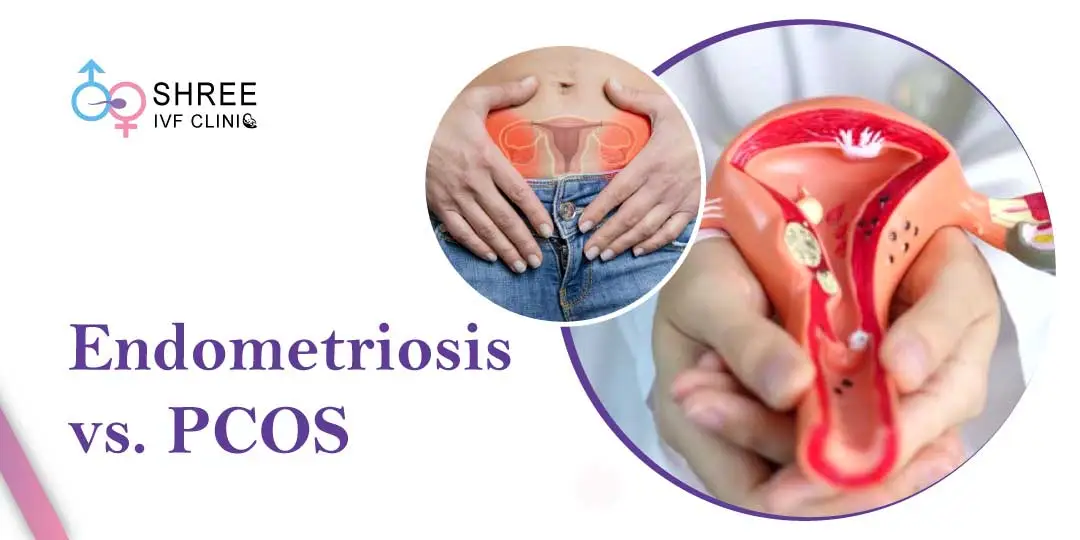
Endometriosis vs. PCOS: What’s the Difference?
PCOS causes irregular or absent periods due to a hormone imbalance and high insulin/male hormones, while endometriosis causes painful periods without hormone imbalance
Does Polycystic ovarian syndrome (PCOS) Affect Pregnancy?
Yes. PCOS impact on your pregnancy. Keep reading to find out how PCOS can impact your chances of getting pregnant.
Videos
How to Get Pregnant with PCOS?
Having PCOS doesn’t mean you can’t have a baby. PCOS symptoms may be managed with diet, exercise, and medication, but it is essential that you maintain healthy body weight
How PCOS is Treated?
PCOS is a major contributor to infertility and has been connected to various other health issues. Modifying your lifestyle and using medicinal interventions may help you control your symptoms