

Home » PMOS (Polyendocrine Metabolic Ovarian Syndrome)
What is PMOS? Causes, Hormonal Imbalance & What Every Woman Should Know
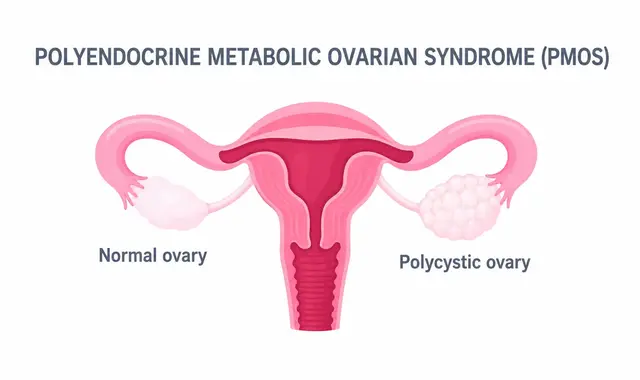
Polyendocrine Metabolic Ovarian Syndrome (PMOS), formerly known as PCOS and commonly called PCOD in India, is a hormonal and metabolic condition affecting ovulation, fertility, and overall health.
It occurs when hormonal imbalances prevent the ovaries from functioning normally, leading to irregular periods, fertility challenges, and metabolic changes.
The good news? With proper management, most women with PMOS can regulate their symptoms and achieve their health goals.
What Exactly Is PMOS and Why Does It Matter?
PMOS is a hormonal condition affecting millions of women worldwide. If you're experiencing irregular periods, unexplained weight gain, acne, or struggling to conceive, you're not alone, and PMOS could be the underlying cause.
Many women mistakenly believe PMOS simply means having "cysts" on the ovaries. The reality is far more complex. PMOS affects your entire hormonal system, not just your ovaries. The condition causes multiple immature follicles to develop without proper ovulation, disrupting your menstrual cycle and reproductive health.
As a condition affecting approximately 1 in 10 women, PMOS prevalence is particularly high in urban India, where environmental factors play a significant role. When you notice signs like irregular cycles or unexpected weight changes, understanding what PMOS symptoms and causes look like is your first step toward reclaiming your health.
Why Do Women Develop PMOS?
The Environmental and Hormonal Connection
The exact cause of PMOS remains under investigation, but research points to a combination of environmental factors, pollutants, and volatile organic compounds in the microenvironment. These factors trigger a complex hormonal cascade that disrupts the ovaries' normal function.
Rather than a single cause, PMOS develops through multiple interconnected mechanisms:
- Insulin resistance leading to excess androgen production
- Environmental toxins affecting reproductive hormones
- Genetic predisposition increases susceptibility
- Inflammatory responses in the reproductive system
- Lifestyle factors amplifying hormonal imbalances
Understanding these mechanisms helps explain why treatment requires a multifaceted approach rather than a single solution.
The Root Cause: How Hormonal Imbalance Disrupts Your Body
Insulin Resistance: The Hidden Trigger Behind PMOS
Insulin is a hormone produced by your pancreas to regulate blood glucose metabolism. In women with PMOS, insulin resistance is a primary mechanism, meaning your body doesn't respond effectively to insulin, even when levels are sufficient.
This insulin resistance creates a domino effect:
Your body produces excess insulin → Your ovaries overreact by producing more androgens (male hormones) → Excess androgens prevent follicles from maturing normally → Multiple immature follicles develop in your ovaries → Your menstrual cycle becomes irregular.
This mechanism is why women with PMOS often have elevated AMH (anti-Müllerian hormone) levels, particularly those with "lean PMOS" (women who have the condition but maintain a normal body weight). The hormonal imbalance, not the weight, drives this pattern.
Why does this matter for treatment? Medications like metformin work by improving insulin sensitivity, helping restore hormonal balance and normal ovulation.
If you've been diagnosed and are unsure about which treatment options for managing PMOS work best for your situation, a fertility specialist can help customize your approach based on your symptoms and goals.
We Are Always There For You.
Call Us 24/7 For Any Help
Androgen Excess: Why It Matters?
Beyond insulin resistance, your ovaries may overproduce androgens (male hormones) due to microenvironmental factors within the reproductive system. This excess androgen production causes:
- Disrupted follicle development – preventing eggs from maturing
- Irregular or absent menstrual periods – disrupting your cycle
- Increased facial and body hair (hirsutism)—causing physical changes
- Acne and skin pigmentation changes – visible hormonal markers
- Higher risk of associated conditions – including metabolic syndrome
To manage high androgen levels, specialists often recommend hormonal contraceptives or anti-androgen medications. For women exploring fertility options with PMOS, understanding how hormonal medications specifically work to balance your system can help you make confident decisions about your treatment plan.
These medications help rebalance your hormones and restore regular cycles, improving both symptoms and fertility potential when desired.
If you've been experiencing these symptoms and suspect a hormonal imbalance, consult a qualified gynecologist or endocrinologist for proper evaluation and personalized treatment.
The Weight Connection: Why Obesity Matters (But Isn't the Whole Story)
Is Obesity the Cause or a Symptom of PMOS?
Obesity is not a direct cause of PMOS, but it can amplify existing hormonal disturbances.
Some women develop PMOS without being overweight ("lean PMOS"), while others gain weight as a symptom of the hormonal imbalance. The relationship is bidirectional—hormonal dysregulation can cause weight gain, and excess weight can worsen hormonal symptoms.
Clinical data from the World Health Organization (WHO) demonstrates that losing just 10% of total body weight can significantly improve insulin sensitivity, lower androgen levels, and successfully reset regular menstrual cycles.
Integrating these healthy adjustments into a personalized diet and lifestyle treatment plan for PMOS ensures the body receives the targeted support it needs to regulate ovulation and control long-term symptoms naturally
Why weight management works:
- Reduces insulin resistance
- Decreases androgen production
- Improves menstrual regularity
- Enhances fertility potential
- Boosts overall metabolic health
For most women with PMOS, lifestyle modifications are the foundation of long-term management, including nutritional counseling, regular exercise, adequate sleep, and stress management. These changes often reduce or eliminate the need for medication over time.
Book Your Consultation Today With Dr. Jay Mehta, Gynecologist in Mumbai, India for PMOS
Is PMOS Hereditary?
If your mother, sister, or close family member has PMOS, your risk of developing the condition is significantly higher. Genetic predisposition plays a real role in susceptibility.
However, genetics isn't destiny. Having a family history means:
- You can monitor for early symptoms—irregular periods, unexpected weight changes, skin changes
- You can intervene preventively – healthy lifestyle choices reduce symptom severity
- You can plan screening—knowing how to get an accurate PMOS diagnosis early allows for earlier intervention and better outcomes
- You understand your reproductive timeline – fertility planning becomes more strategic
If PMOS runs in your family, discuss screening and preventive strategies with your gynecologist—early awareness and intervention can make a substantial difference in your health outcomes.
Managing Your Hormonal Health Today : From Diagnosis to Fertility
Once diagnosed with PMOS, many women have questions about their reproductive future. If pregnancy is part of your goals, it's important to know that PMOS doesn't mean infertility.
Women with PMOS have successfully conceived with proper management strategies. Whether you're thinking about starting a family soon or in the future, learning how to navigate pregnancy planning with PMOS helps you create a realistic timeline and understand your options, from optimizing lifestyle factors to exploring fertility treatments if needed.
The key is starting this conversation with a fertility specialist who understands both your PMOS and your reproductive aspirations.
What You Can Do Today?
If you suspect you have PMOS or have been recently diagnosed, here's a practical roadmap:
Immediate Actions
- Track your symptoms – Note irregular periods, skin changes, weight fluctuations, and energy levels
- Document your family history – Inform your gynecologist if relatives have PMOS
- Schedule a consultation – A reproductive endocrinologist or gynecologist can confirm the diagnosis and discuss treatment
- Start lifestyle adjustments – Even small changes in diet, exercise, and sleep support hormonal balance
Treatment Considerations
- Lifestyle modifications first – Diet, exercise, and stress management are foundational
- Medication when appropriate – Metformin, hormonal contraceptives, or anti-androgen tablets may be recommended based on your specific situation
- Regular monitoring – Periodic hormone testing tracks treatment effectiveness
- Fertility planning – If pregnancy is desired, discuss specialized strategies with your fertility specialist
You're not alone in this journey. Millions of women manage PMOS successfully, achieving regular cycles, healthy weights, clear skin, and successful pregnancies. With proper support and guidance, you can too.
If you're in Mumbai or the surrounding region and need expert guidance on managing PMOS, Dr. Jay Mehta at Shree IVF Clinic offers specialized consultation combining gynecological expertise with fertility knowledge.
With a deep understanding of how PMOS affects Indian women specifically, Dr. Mehta provides personalized treatment plans addressing your unique situation.
Available for consultation 24/7 📞 Call: 1800-268-4000
Frequently Asked Questions About PMOS
- Can PMOS go away on its own?
PMOS is a chronic hormonal condition, but symptoms can improve dramatically with proper management. Some women find that after sustained lifestyle changes and appropriate treatment, their symptoms become minimal or manageable. However, PMOS typically doesn't completely resolve ongoing management is usually necessary.
- Will I definitely be infertile if I have PMOS?
No. While PMOS can make conception more challenging due to irregular ovulation, most women with PMOS can conceive with appropriate treatment. Fertility specialists have multiple strategies, from lifestyle optimization to medications like metformin to assisted reproductive techniques, to help PMOS patients achieve pregnancy.
- Can you have PMOS if you are thin?
Yes. This is known clinically as lean PMOS. While obesity worsens the condition, lean individuals can still have profound insulin resistance and high androgen levels, which cause irregular periods, acne, and multiple immature follicles despite a low or normal body mass index (BMI).
- What's the difference between PMOS and PCOS—why the name change?
They refer to the same medical condition. The name changed from polycystic ovary syndrome (PCOS) to polyendocrine metabolic ovarian syndrome (PMOS) to better reflect that this is a systemic hormonal condition affecting multiple body systems, not simply a condition involving ovarian cysts. The new name emphasizes the metabolic and endocrine components.
- Can I manage PMOS without medication?
Many women successfully manage PMOS through lifestyle changes alone, particularly when diagnosed early. However, some women need medication to regulate hormones and achieve their health goals. The right approach depends on your symptoms, severity, and goals. Discuss options with your gynecologist.
- How long does it take to see improvement with PMOS treatment?
Most women notice menstrual cycle improvements within 2-3 months of starting treatment. However, metabolic improvements and fertility outcomes may take 3-6 months or longer. Consistent adherence to lifestyle modifications and medication (if prescribed) is crucial for sustainable results.


4.9
Verified & Most Trusted One
Dr. Jay Mehta
MBBS, DNB—Obstetrics & Gynecology
Dr. Jay Mehta is an IVF specialist, fertility-preserving surgeon, and Scientific Director of Shree IVF & Endometriosis Clinic, Mumbai. With over 15 years of experience and 50,000+ patients treated, he specializes in advanced laparoscopic and minimally invasive gynecological surgery for complex conditions such as endometriosis, adenomyosis, and Müllerian anomalies.
His expertise includes reproductive medicine, embryology, andrology, and reproductive immunology. Dr. Mehta serves patients across India and welcomes international patients for expert fertility care and second opinions.. To schedule a consultation, call: 1800-268-4000
Many Treatments. One Goal.
Caring for Every Patient, Every Day.
Ankita Katyal
I am incredibly grateful for Dr. Jay's exceptional support throughout my IVF journey. Dr Jay has been like God sent an Angel for us. From our very first meeting, it was clear that Dr. Jay was not only a highly skilled and knowledgeable professional but also someone who genuinely cared about my well-being.
From my first meeting, he was very clear transparent, and straightforward about my protocol, treatment line, and success rate. After two difficult IVF cycles that failed, I was beginning to lose hope.
However, Dr. Jay’s unwavering encouragement and meticulous care helped me stay positive and focused. Thanks to God and of course to his expertise and dedication, WE FINALLY ACHIEVED SUCCESS!!!!!
Krish A
Dr Jay Mehta is the best Fertility doctor. I am glad to have IVF done with Jay sir.
This unit is very ethical and very honest at work. In my previous IVF cycle, I did not have embryos in Chennai. I was here and Dr and team had told me not to worry. I was given end to end transparency about my embryos and I was lucky to become pregnant in the 1st cycle here, though I was told that the success rate will be about 25 to 30%.
IVF space is competitive, but these guys don't do any Ads on Google. And still if you search, Dr Jay is ranked no.1. I was extremely impressed with that and I am happy that I took a call to travel to Mumbai from Chennai.
I am thankful to the entire team for handling my case nicely. And May God shower the team with his choicest blessings.
Forum Shah
I visited 3 years back for my IVF treatment at that time and also got good treatment with Dr. Jay Mehta … the best part is he would tell me straight away whatever the cause and outcome would be.
This time also I came for Endometriosis treatment n within 3-4 days decided to get operated as there was no looking back as I trust him for his treatment. Thank you Dr once again for the right advice 😊
Deepak Jagadale
Dr Jay Mehta and team are simply excellent people and brilliant outcomes in Fertility services. Very very honest and humble doctor.
Thank you for the valuable guidance during the IVF process and the excellent and no hidden costs during IVF procedure. For middle class people it's a big relief.
Avinash Jain
Dr. Jay Mehta is a result-oriented specialist in his field and the best we could ask for, in a Metro city. His line of treatment for IVF is different from other IVF clinics.
The support provided by doctors and staff as well as all other attending doctors is phenomenal. We are very satisfied and will also highly recommend to others the IVF treatment at Shree IVF Clinic Mumbai.
Vijaya Garg
Dr. Jay Mehta is one of the best gynaecologist doctor of our India. I trust him faithfully and would like to recommend each and every one that don't waste time moving here and there to another doctorand .
I m sharing my experience I wasted my time mand oney by moving from one doctor to other and my problem was unsolved I'm thankful to Dr. Priyanka Shukla mam of trident hospital for suggesting Dr. Jay Mehta sir for my treatment . Now I'm pain-free...Thank you Dr. Jay Mehta sir... you are really my Boley baba shiv shsmbu. I m thankful to all the staff members of Shree IVF hospital
Blogs
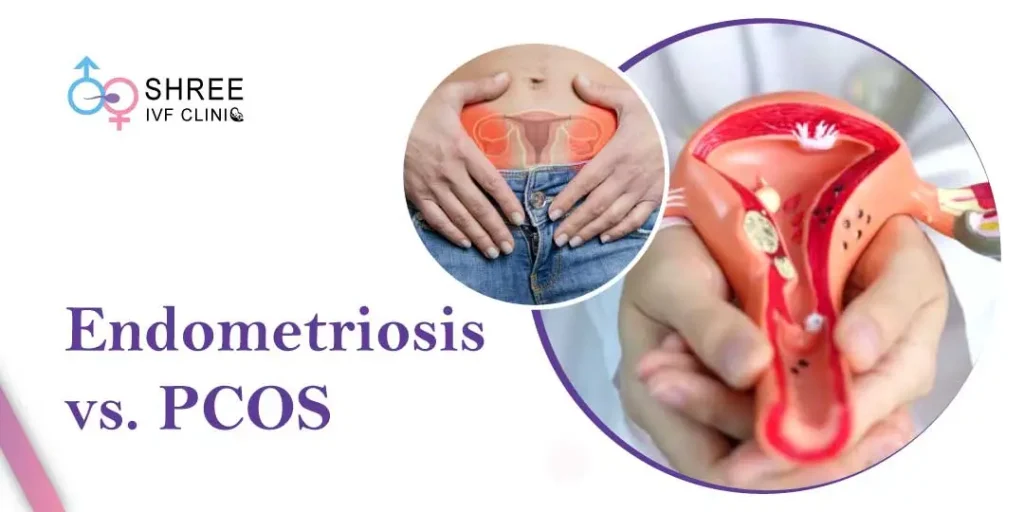
Endometriosis vs. PCOS: What’s the Difference?
PCOS and endometriosis can cause similar symptoms. Learn the key differences, symptoms, fertility effects, diagnosis and treatment options.

Does Polycystic ovarian syndrome (PCOS) Affect Pregnancy?
Yes. PCOS impact on your pregnancy. Keep reading to find out how PCOS can impact your chances of getting pregnant.
Videos
How to Get Pregnant with PCOS?
Having PCOS doesn’t mean you can’t have a baby. PCOS symptoms may be managed with diet, exercise, and medication, but it is essential that you maintain healthy body weight
How PCOS is Treated?
PCOS is a major contributor to infertility and has been connected to various other health issues. Modifying your lifestyle and using medicinal interventions may help you control your symptoms