
How to Cure Endometriosis Without Surgery?
UPDATED ON 10TH SEP. 2026
Endometriosis has no permanent cure, but many women can manage their symptoms effectively without surgery.
Medicines, hormonal treatment, pain management, physiotherapy and fertility treatment may all have a role, depending on your symptoms and pregnancy plans.
AUTHOR

Medically reviewed by Dr Jay Mehta, MBBS, DNB
Scientific Director & Fertility Specialist—Shree IVF Clinic, Mumbai
Expert in Reproductive Immunology, Endometriosis, and Advanced IVF
15+ years experience | 12308+ IVF cycles | 16000+ Endometriosis Surgeries | 2721+ male fertility surgeries
CONDITION
GET IN TOUCH ON
Endometriosis is a condition in which tissue similar to the lining of the uterus grows outside the uterus. It commonly affects the ovaries, fallopian tubes, and areas around the pelvis.
It can cause painful periods, chronic pelvic pain, pain during or after sex, bowel or urinary symptoms, and difficulty getting pregnant.
Many women worry that surgery is their only option after an endometriosis diagnosis. It is not. Treatment should be based on your symptoms, the extent of disease, previous treatment, age, ovarian reserve, and whether you want to become pregnant.
Can endometriosis be cured without surgery?
No, there is currently no permanent cure for endometriosis, but treatment can control symptoms and improve quality of life without surgery.
The right approach depends on your symptoms, the extent of disease, and your fertility goals.
For women seeking endometriosis treatment in India, treatment may include medicines, hormonal therapy, pain management, fertility treatment, or surgery.
The aim is to control symptoms while avoiding unnecessary treatment and protecting fertility where possible.
What Treatments Can Manage Endometriosis Without Surgery?
Endometriosis can often be managed without surgery using hormonal medicines, pain-relief medicines and supportive treatments. Your doctor may use one treatment or combine several approaches depending on your symptoms.
Can Hormonal Treatment Help Endometriosis Without Surgery?
Yes, hormonal treatment can reduce endometriosis-related pain by controlling the hormonal changes that stimulate the disease.
Common options include combined hormonal contraceptives, progestins, and GnRH-based medicines.
These medicines can be useful when pain is the main concern. However, hormonal treatment that suppresses ovulation is generally not used when you are actively trying to become pregnant.
For women whose main problem is severe period pain, appropriate treatment for painful periods can also help while the underlying cause is being assessed.
Can Pain Medicines Help With Endometriosis Pain?
Yes, pain medicines can reduce endometriosis-related pain, especially during painful periods. NSAIDs and other pain medicines may be used when they are safe and suitable for the patient.
They mainly provide symptom relief, so your doctor may recommend additional treatment when pain continues or keeps returning.
If pelvic pain becomes persistent, an assessment for chronic pelvic pain can help identify other factors that may be contributing to your symptoms.
We Are Always There For You.
Call Us 24/7 For Any Help
Can Physiotherapy Help With Endometriosis Pain?
Yes, pelvic floor physiotherapy may help women whose pelvic muscles have become tight or painful because of long-term pelvic pain. Treatment may include exercises and techniques that help relax and strengthen the pelvic floor.
It can be useful as part of a wider pain-management plan, particularly when discomfort continues during daily activities or intercourse.
Can Exercise and Diet Help Manage Endometriosis?
Exercise and a balanced diet can support general health and may help some women cope better with pain, fatigue, and digestive symptoms. They should be viewed as supportive measures rather than a replacement for medical treatment.
Gentle activities such as walking, stretching, and swimming may be easier to continue when symptoms are mild. During severe pain, rest may be more appropriate.
Some women also notice that particular foods affect bloating or bowel symptoms around their periods.
A simple food and symptom diary can help identify personal triggers without following unnecessarily restrictive diets.
For women who want more specific guidance, dietary guidance for managing endometriosis symptoms can be considered as part of a broader treatment plan.
Can Natural Remedies Cure Endometriosis?
No, natural remedies such as turmeric, ginger, or essential oils have not been proven to cure endometriosis.
Many women come across these remedies through social media, personal stories, or online health advice, but individual experiences do not prove that a treatment can control the disease.
Some complementary approaches may support general wellbeing or help with symptoms, but they should not replace evidence-based treatment.
If you are considering herbal supplements, discuss them with your doctor first because some supplements can interact with medicines or may not be suitable for you.
How Is Endometriosis Diagnosed Without Surgery?
Endometriosis is assessed using your symptoms, medical history and examination, with ultrasound or MRI used when appropriate.
Laparoscopy, a minimally invasive procedure using a small camera, may be considered when the diagnosis remains uncertain or when surgery is being planned.
A detailed assessment may look at:
- How severe your period and pelvic pain are
- Whether symptoms occur during sex, bowel movements or urination
- Your menstrual history
- Previous treatments
- Fertility history
- Ultrasound or MRI findings
An ultrasound can sometimes identify an ovarian endometrioma, which is a cyst caused by endometriosis, but a normal scan does not always rule out the condition.
This is why diagnosis should be based on the complete clinical picture rather than one test alone.
Can You Get Pregnant With Endometriosis Without Surgery?
Yes, some women with endometriosis can pursue pregnancy without having surgery first, including through fertility treatment when appropriate.
The decision depends on your age, ovarian reserve, fallopian tube condition, sperm health, severity of endometriosis, and previous fertility treatment.
This is an important difference between endometriosis pain treatment and fertility treatment.
Hormonal medicines used to control endometriosis usually prevent pregnancy while you are taking them, so they are not used as a treatment to help you conceive.
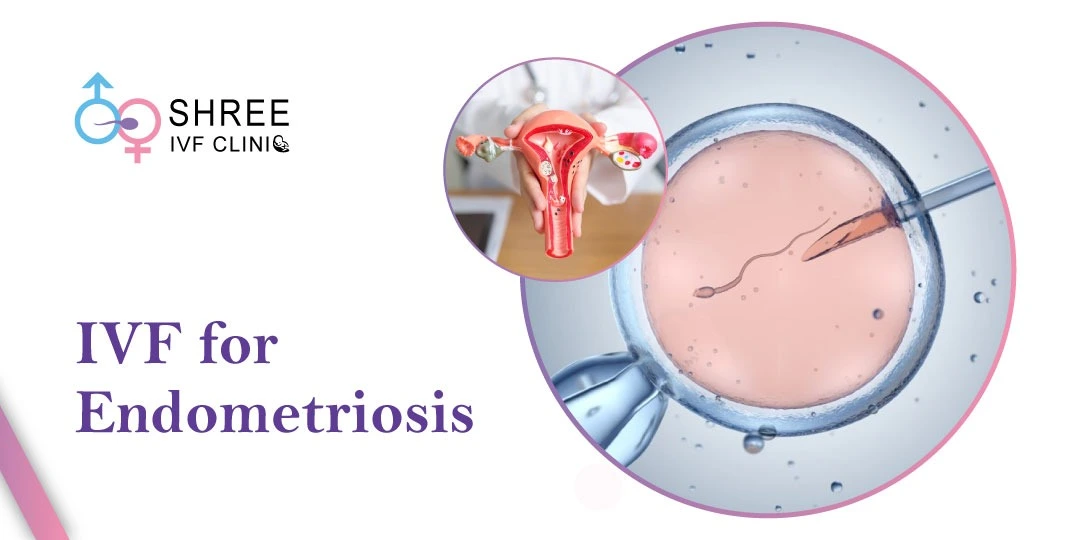
For some women, IVF can be considered without surgery first. IVF fertilises the egg with sperm outside the body and may help overcome some fertility problems associated with endometriosis.
However, IVF is not automatically the best option for every woman. Age and ovarian reserve, including AMH (anti-Müllerian hormone), can affect how quickly a fertility plan should be made.
If endometriosis is affecting your ability to conceive, infertility treatment may include fertility assessment, IUI, IVF, or other options based on your individual situation.
In Dr Jay Mehta's approach to endometriosis-related fertility care, factors such as age, ovarian reserve, symptoms, disease extent, and previous fertility treatment are considered before deciding whether surgery or assisted reproduction should come first.
Read Reviews

5,660+
Google Reviews
Visit Our Channel

421K+
subscribers
Explore more below

245K
followers
Can IVF Be Done for Endometriosis Without Surgery?
Yes, IVF can sometimes be performed without prior endometriosis surgery.
Whether this is appropriate depends on factors such as age, ovarian reserve, ovarian endometriomas, pain, tubal condition, and previous fertility treatment.
In some women, proceeding directly to IVF treatment may avoid a delay that could be important when ovarian reserve or age is a concern.
Surgery may still be considered in selected cases, particularly when there is severe pain, a significant endometrioma or another condition that makes surgery clinically useful.
The decision should be made after assessing both the endometriosis and the woman's fertility priorities.
If you are trying to conceive and have been diagnosed with endometriosis, a fertility assessment can clarify your options before assuming that surgery is necessary.
When Is Surgery Considered for Endometriosis?
Surgery may be considered when symptoms are severe, medical treatment is not effective or tolerated, there are significant endometriosis-related problems, or surgery is expected to help with a specific fertility or clinical concern.
There is no single rule that determines when every woman needs surgery.
Your doctor may consider:
- Severity of pain: Pain that remains severe despite appropriate medical treatment may lead to a discussion about surgery
- Location and extent of disease: Endometriosis affecting important pelvic structures, such as the bowel, bladder or ureter, may require closer assessment because treatment can be more complex.
- Ovarian endometriomas: Larger or symptomatic endometriomas may require surgical consideration in selected patients.
- Response to medicines: If suitable medicines do not control symptoms or cause unacceptable side effects, other options may be discussed.
- Fertility plans: The treatment choice can change when pregnancy is the priority.
- Ovarian reserve: Surgery involving the ovaries can affect ovarian tissue, so AMH and other fertility factors may be important before operating.
- Previous surgery: Repeat surgery requires careful consideration because scar tissue and reduced ovarian reserve can affect future treatment.
- Deep infiltrating endometriosis: When disease involves structures such as the bowel or ureter, treatment may require a multidisciplinary surgical team, which can include colorectal or urological specialists.
For women who do require surgery, the approach should be tailored to the location and extent of disease, fertility goals and ovarian reserve.
In selected cases, low-cost endometriosis and adenomyosis surgery in India may be an option to discuss with the treating team.
The decision is based on the overall clinical picture rather than simply the presence of endometriosis.
Can Endometriosis Come Back After Surgery?
Yes, endometriosis can return after surgery, and some women continue to experience symptoms after an operation.
Surgery can be helpful for selected patients, but it does not guarantee that the condition will never return.
This is particularly important when considering repeat surgery. In some women with recurrent disease or low ovarian reserve, medical management or fertility treatment may be considered instead of repeated surgery.
Your doctor can compare the possible benefits of another operation with its potential effect on ovarian reserve, fertility and long-term symptom control.
What Are the Warning Signs That Endometriosis Needs Medical Assessment?
Persistent or severe period pain, pelvic pain, pain during sex, or difficulty getting pregnant should be assessed by a gynaecologist.
You do not need to wait until symptoms become severe before seeking help.
Consider an evaluation if you have:
- Period pain that affects work, college or daily activities
- Pelvic pain that continues between periods
- Pain during or after sex
- Pain during bowel movements
- Pain while passing urine, especially around periods
- Heavy or abnormal menstrual bleeding
- Repeated bloating or bowel symptoms around periods
- Difficulty getting pregnant
- Pain that continues despite treatment
These symptoms can have several causes, so proper assessment is important before starting treatment.
What Is the Best Non-Surgical Treatment for Endometriosis?
The best non-surgical treatment depends on what you are trying to achieve, such as controlling pain, preserving fertility, or becoming pregnant. There is no single treatment that is right for every woman.
If pain is the main concern, hormonal treatment and pain management may be appropriate. If pregnancy is the priority, fertility assessment and treatments such as IUI or IVF may need to be considered instead.
Your age, ovarian reserve, disease severity, previous treatment, and fertility history all help guide this decision.
What Should You Do If You Have Endometriosis and Are Worried About Surgery?
Your next step is an assessment, not an immediate decision about surgery.
Understanding your symptoms, disease extent, ovarian reserve, and fertility goals can help you choose the most suitable treatment.
Surgery may or may not be part of that plan. For some women, non-surgical treatment is enough to control symptoms, while others may benefit from surgery or fertility treatment.
If endometriosis is affecting your pain or fertility, discussing your options with an experienced fertility and endometriosis excision surgeon can help you make an informed decision.
AUTHOR
Medically reviewed by Dr Jay Mehta, MBBS, DNB
Scientific Director & Fertility Specialist—Shree IVF Clinic, Mumbai
Expert in Reproductive Immunology, Endometriosis, and Advanced IVF
15+ years experience | 12308+ IVF cycles | 16000+ Endometriosis Surgeries | 2721+ male fertility surgeries