


Urge Incontinence : Causes, Types & Insights
UPDATED ON 26 JUL. 2023
Urinary incontinence, an often-underrated health issue, has profound impacts on a person's life.
One of the most common forms of this condition is urge incontinence, characterized by the involuntary leakage of urine following a sudden and uncontrollable urge to urinate.
In this blog, we will delve into the causes, types, and broader aspects of this medical condition, providing a detailed understanding of urge incontinence.
AUTHOR
CONDITION
GET IN TOUCH ON
Before we delve into the specifics, let's briefly understand what happens in the body during an episode of urge incontinence.
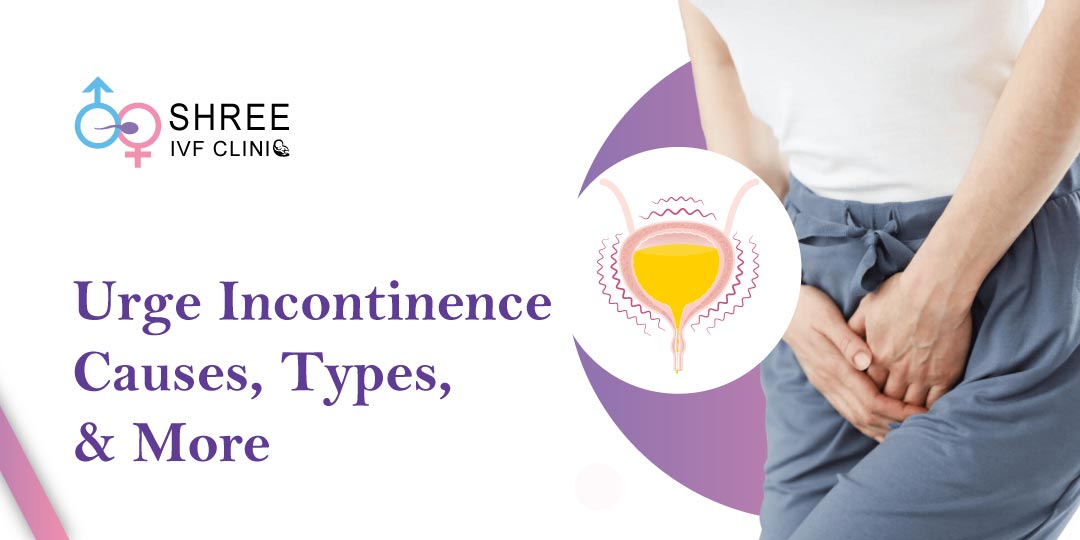
When your bladder fills with urine, the bladder's detrusor muscles remain relaxed while the sphincter muscles around the urethra stay contracted to hold the urine in.
When you urinate, the brain signals the detrusor muscles to contract and the sphincter muscles to relax, releasing urine.
In urge incontinence, these signals get mixed up, and the detrusor muscles contract involuntarily, even when the bladder isn't full, causing urine leakage.
Types of Urge Incontinence

Urge incontinence falls into the broader category of overactive bladder syndrome but stands out because of its distinct characteristic—the uncontrollable urge to urinate, often leading to involuntary leakage.
While all overactive bladder patients might feel a frequent need to urinate, those with urge incontinence often can't reach the bathroom in time.
There's also another subtype, known as reflex incontinence, which shares symptoms with urge incontinence but is caused by damage to the nerves controlling bladder function, often due to conditions like multiple sclerosis or spinal cord injuries.
Unlike standard urge incontinence, people with reflex incontinence may not feel the urge to urinate before leakage occurs.
Causes of Urge Incontinence
- Hormonal Imbalance in Postmenopausal Women
The most common cause of urge incontinence is the severe lack of estrogen in postmenopausal women. After the age of 50, the estrogen levels in a female's body reduce drastically, leading to a series of postmenopausal changes.
The bladder lining or the covering of the bladder weakens, increasing the propensity to develop urge incontinence.
- Diabetes
Diabetes is the second most common cause of urge incontinence. Uncontrolled diabetes or severe diabetes can affect both the blood vessels and the nerve supply to the bladder.
This lack of nerve strength weakens the bladder's control over urine, leading to episodes of involuntary leakage.
- Urinary Tract Infections
Urinary Tract Infections (UTIs), often resulting from poor sanitary hygiene, are another significant cause of urge incontinence. UTIs can irritate the bladder, leading to an overactive bladder and subsequent involuntary urine leakage.
- Social Causes : Dehydration
Another contributing factor is social behaviour, particularly the under-consumption of water. Many women, upon experiencing urge incontinence, incorrectly attribute the condition to excess water intake and consequently limit their water consumption.
This behaviour can lead to dehydration, increasing the risk of UTIs and subsequent urge incontinence.
- Other Potential Causes
Apart from these, several other factors can lead to urge incontinence, such as muscular or neurological conditions.
Conditions like stroke, Parkinson's disease, multiple sclerosis, or injuries to the brain or spinal cord can interfere with nerve signals to the bladder, leading to urge incontinence.

5,550+
Google Reviews

416K+
subscribers
" Every individual and couple’s journey is unique, and
finding the right solutions tailored to their specific
circumstances can make all the difference "
Awareness & Medical Help
Understanding the triggers and potential risk factors for urge incontinence can help in managing this condition more effectively.
If you or someone you know shows signs of this condition—such as a sudden and strong need to urinate, followed by involuntary leakage, or increased frequency and urgency—it's crucial to seek medical attention.
Remember, acknowledging the problem is the first step towards finding a solution. Stay tuned for more posts on managing and treating urge incontinence effectively.
Remember, Urge incontinence might be a common issue, but it doesn't need to control your life. Armed with knowledge and supported by healthcare professionals, you can navigate this condition and lead a healthy, comfortable life.
So do not hesitate to reach out for more guidance and information. If you need any help, just reach out to us. Our experts will surely help you out.