
PCOS vs Endometriosis: Symptoms, Differences & Fertility
UPDATED ON 25 AUG. 2026
If you have painful or irregular periods, or you're struggling to get pregnant, you may have been told you have PMOS (formerly known as PCOS) or endometriosis, or possibly both.
These conditions can cause some similar symptoms, but they affect the body in different ways. Understanding the difference can help you know what your symptoms may mean and when to seek the right treatment.
AUTHOR

Medically reviewed by Dr Jay Mehta, MBBS, DNB
Scientific Director & Fertility Specialist—Shree IVF Clinic, Mumbai
Expert in Reproductive Immunology, Endometriosis, and Advanced IVF
15+ years experience | 12308+ IVF cycles | 16000+ Endometriosis Surgeries | 2721+ male fertility surgeries
CONDITION
GET IN TOUCH ON
Table of Contents
What Is the Difference Between PMOS (PCOS) and Endometriosis?
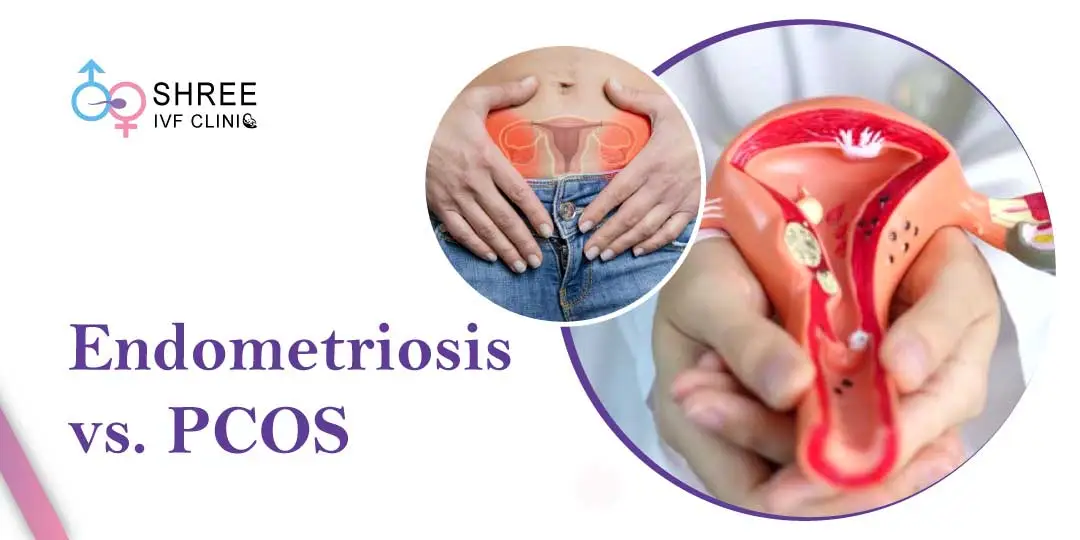
PMOS, previously called polycystic ovary syndrome (PCOS), mainly affects hormones, metabolism, and ovulation, while endometriosis occurs when tissue similar to the lining of the uterus grows outside the uterus, causing inflammation and pain.
Both conditions can affect periods and fertility, but their symptoms, diagnosis, and treatment are different.
| Feature | PMOS (PCOS) | Endometriosis |
|---|---|---|
| Main problem | Hormonal, metabolic and ovulatory changes | Endometrial-like tissue growing outside the uterus |
| Periods | Often irregular, infrequent or absent | Often painful and may be heavy |
| Pelvic pain | Not usually the main symptom | Common, especially around periods |
| Acne / excess hair | Common | Not typical |
| Pain during sex | Not typical | Can occur |
| Fertility | Mainly affected by irregular ovulation | May be affected by inflammation, adhesions or ovarian/tubal involvement |
| Can both occur? | Yes | Yes |
What Is PMOS (Previously Called PCOS)?
Polyendocrine Metabolic Ovarian Syndrome (PMOS) is the new name for the condition previously known as polycystic ovary syndrome (PCOS).
The name was changed in 2026 following an international consensus process because the old name focused too heavily on the ovaries and could create confusion about ovarian cysts.
The new name better reflects the condition's hormonal, metabolic, and ovarian features.
The name has changed, but the condition itself has not. Existing PCOS/PMOS diagnoses remain valid, and the core principles of diagnosis and management have not changed during the terminology transition.
What Are the Symptoms of PMOS (PCOS)?
PMOS can affect menstrual cycles, ovulation, androgen levels, metabolism, and fertility.
Common symptoms include:
- Irregular or missed periods
- Irregular or absent ovulation
- Acne or oily skin
- Excess facial or body hair
- Scalp hair thinning
- Difficulty conceiving
- Weight changes
- Signs of insulin resistance in some women
If PMOS is making it difficult to conceive, understanding how to get pregnant with PCOS can help you understand the fertility options available.
Does PMOS (PCOS) Mean You Have Ovarian Cysts?
No. Ovarian cysts are not required for a diagnosis of PMOS.
The small follicles sometimes seen on an ultrasound in women with PMOS are not the same as ovarian cysts. The presence of polycystic ovarian morphology on ultrasound alone does not confirm the condition.
Diagnosis is based on the overall clinical picture, including symptoms, medical history, examination, appropriate blood tests, and, when needed, ultrasound.
We Are Always There For You.
Call Us 24/7 For Any Help
What Is Endometriosis?
Endometriosis is a condition in which tissue similar to the lining of the uterus grows outside the uterus, where it can cause inflammation, pain and sometimes scar tissue.
It can affect areas around the ovaries, fallopian tubes and other pelvic structures. In some women, it can also involve the bowel or bladder.
Our guide to endometriosis treatment in India explains the symptoms, diagnosis and treatment options in more detail.
What Are the Symptoms of Endometriosis?
Severe period pain is one of the most common symptoms of endometriosis, but the condition can cause several other symptoms.
Common symptoms include:
- Severe or worsening period pain
- Chronic pelvic pain
- Pain during or after sex
- Pain when passing stool, particularly during periods
- Pain or discomfort when urinating, particularly during periods
- Heavy or abnormal menstrual bleeding
- Bloating or bowel-related symptoms
- Fatigue
- Difficulty getting pregnant
Period pain that regularly interferes with work, exercise, or daily activities should not simply be considered normal. It deserves medical evaluation.
What Causes PMOS (PCOS) and Endometriosis?
PMOS and endometriosis have different underlying mechanisms, which is why they require different approaches to diagnosis and treatment.
What Causes PMOS (PCOS)?
The exact cause of PMOS is not fully understood, but genetics, hormone changes, and metabolic factors such as insulin resistance can play a role.
PMOS can involve increased androgen activity, which may interfere with regular ovulation and contribute to symptoms such as acne and excess hair growth. Some women also have insulin resistance and other metabolic changes.
The condition is not simply caused by being overweight, although excess weight can worsen some symptoms in women who are affected.
What Causes Endometriosis?
The exact cause of endometriosis is not fully understood. The condition is estrogen-responsive and involves inflammation when endometrial-like tissue grows outside the uterus.
Several factors may contribute to why endometriosis develops and progresses. It can cause inflammation and, over time, scar tissue or adhesions around affected organs.
The severity of symptoms does not always match the amount of disease seen on imaging or during surgery.
Some women have extensive endometriosis with relatively mild symptoms, while others experience significant pain with less extensive disease.
Is PMOS (PCOS) Pain Different From Endometriosis Pain?
Yes. Endometriosis is much more commonly associated with significant pelvic pain, while PMOS itself does not usually cause chronic pelvic pain.
Endometriosis pain may occur before or during periods, during sex, or when passing stool or urine.
PMOS is more commonly associated with irregular periods, difficulty ovulating, acne, and excess hair growth.
If you have been diagnosed with PMOS but also experience severe period pain or persistent pelvic pain, it is worth discussing whether another condition, including endometriosis, could be present.
How Do Periods Differ in PMOS (PCOS) and Endometriosis?
PMOS commonly causes irregular or missed periods, while endometriosis is more strongly associated with painful periods.
With PMOS, periods may occur infrequently because ovulation does not happen regularly.
With endometriosis, periods may remain regular but become very painful or heavy.
Symptoms can overlap, so period patterns alone cannot confirm either condition.
Read Reviews

5,660+
Google Reviews
Visit Our Channel

421K+
subscribers
Explore more below

245K
followers
Does Endometriosis Cause Irregular Periods?
Endometriosis is more commonly associated with painful or heavy periods than with missed periods.
Irregular or absent periods are more characteristic of PMOS and other conditions that affect ovulation. However, some women with endometriosis can also experience abnormal menstrual bleeding.
If your periods have become consistently irregular, a medical evaluation
Can You Have PMOS (PCOS) and Endometriosis at the Same Time?
Yes. Having PMOS does not rule out endometriosis, and some women have both conditions.
PMOS may cause irregular ovulation and periods, while endometriosis may cause severe period pain, pelvic pain, or pain during sex.
If you have been diagnosed with PMOS but continue to experience unexplained pelvic pain, don't automatically assume that PMOS is causing all your symptoms.
Women in Mumbai with persistent pelvic pain or pain during sex can consult Dr Jay Mehta at Shree IVF Clinic for a detailed evaluation. Book a consultation or call 1800-268-4000
Does PMOS (PCOS) Affect Fertility?
Yes. PMOS can affect fertility mainly because it can cause irregular or absent ovulation.
When ovulation does not happen regularly, there are fewer opportunities for conception.
However, many women with PMOS become pregnant naturally or with appropriate fertility treatment.
Treatment depends on your age, ovulation pattern, fertility history and other factors that may affect conception.
Does Endometriosis Affect Fertility?
Yes. Endometriosis can affect fertility, but many women with endometriosis can still conceive naturally.
Endometriosis may affect fertility through inflammation, adhesions, changes around the ovaries or fallopian tubes, and, in some cases, reduced ovarian reserve.
The effect varies from woman to woman. Age, ovarian reserve, disease location and severity, tubal health, and previous treatment all matter when deciding what to do next.
Is Endometriosis Worse Than PMOS (PCOS) for Fertility?
There is no universal answer. Both conditions can affect fertility, but they do so differently.
With PMOS, the main fertility issue is often irregular ovulation.
With endometriosis, inflammation, adhesions, ovarian involvement, and other pelvic changes may contribute to difficulty conceiving.
Your age, ovarian reserve, ovulation, fallopian tube health, and the extent of endometriosis are more important than simply asking which condition is "worse".
If you have been trying to conceive and have symptoms of PMOS or endometriosis, an early fertility assessment can help identify the right next step. Speak to our fertility team at Shree IVF Clinic, Mumbai.
Diagnosis and Treatment of PMOS (PCOS) and Endometriosis
PMOS and endometriosis are diagnosed and treated differently because they affect the body in different ways. Your symptoms, fertility goals and overall health help determine which evaluation and treatment approach is appropriate.
How Is PMOS (PCOS) Diagnosed?
PMOS is diagnosed using your symptoms, menstrual history, hormone tests, and, when appropriate, ultrasound. There is no single test that confirms PMOS, and other conditions with similar symptoms may need to be ruled out.
If you want to understand the diagnostic process in more detail, read our guide on how PMOS (PCOS) is diagnosed.
How Is Endometriosis Diagnosed?
Endometriosis is evaluated using your symptoms, medical history, examination and imaging such as ultrasound or MRI when appropriate. A normal ultrasound does not always rule out endometriosis, particularly superficial disease.
For a detailed explanation of the diagnostic process, see our guide on how endometriosis is diagnosed.
How Is PMOS (PCOS) Treated?
PMOS treatment depends on your symptoms and whether you're trying to conceive. Treatment may include lifestyle changes, medicines to regulate periods, ovulation treatment, and management of metabolic risks.
Your treatment will depend on your symptoms and fertility goals. Learn more about PMOS (PCOS) treatment.
How Is Endometriosis Treated?
Endometriosis treatment depends on your symptoms, disease extent, and fertility goals. Not every woman with endometriosis needs surgery.
Treatment may include:
- Pain-relieving medicines
- Hormonal treatment when pregnancy is not the immediate goal
- Laparoscopic surgery or excision in selected cases
- Fertility treatment when conception is the priority
You can learn more about endometriosis treatment options in India and how treatment may vary according to your symptoms and fertility plans.
For women who may not need surgery, managing endometriosis without surgery may be an option in selected situations.
When Should You See a Doctor for PMOS (PCOS) or Endometriosis?
You should consider seeing a gynaecologist if menstrual or pelvic symptoms are persistent, severe, or affecting your fertility.
Seek medical advice if you have:
- Period pain that regularly disrupts your daily life
- Consistently irregular or absent periods
- Difficulty getting pregnant
- Pain during or after sex
- Pelvic pain between periods
- Excess facial or body hair with irregular periods
- Persistent acne alongside menstrual irregularity
- Pain when passing stool or urinating during periods
Getting evaluated can help identify the cause of your symptoms and guide the next step in treatment.
FAQs About PCOS vs Endometriosis
Can PMOS (PCOS) and Endometriosis Cause Similar Symptoms?
Yes. Both conditions can affect periods and fertility. However, severe pelvic pain is more characteristic of endometriosis, while irregular ovulation, acne and excess hair growth are more typical of PMOS.
Which Is More Painful: PMOS (PCOS) or Endometriosis?
Endometriosis is more commonly associated with significant pelvic pain and painful periods. PMOS itself does not usually cause severe chronic pelvic pain.
Can You Have PMOS (PCOS) Without Ovarian Cysts?
Yes. Ovarian cysts are not required for a diagnosis of PMOS. The condition is diagnosed using a combination of clinical features, medical history, laboratory tests and, when appropriate, ultrasound.
Can Endometriosis Cause Irregular Periods?
Endometriosis is more commonly associated with painful or heavy periods than with irregular or absent periods. Irregular periods are more characteristic of PMOS and other ovulation disorders.
Can You Get Pregnant With PMOS (PCOS)?
Yes. Many women with PMOS become pregnant naturally or with fertility treatment. Treatment may be helpful when irregular ovulation makes conception difficult.
Can You Get Pregnant With Endometriosis?
Yes. Many women with endometriosis conceive naturally. Some may need fertility treatment depending on factors such as age, ovarian reserve, tubal health and the extent of endometriosis.
Can You Have Both PMOS (PCOS) and Endometriosis?
Yes. Some women have both PMOS and endometriosis. If your symptoms do not clearly fit one condition, a detailed evaluation can help identify what is contributing to your symptoms and fertility concerns.
AUTHOR
Medically reviewed by Dr Jay Mehta, MBBS, DNB
Scientific Director & Fertility Specialist—Shree IVF Clinic, Mumbai
Expert in Reproductive Immunology, Endometriosis, and Advanced IVF
15+ years experience | 12308+ IVF cycles | 16000+ Endometriosis Surgeries | 2721+ male fertility surgeries