
Painless IVF Treatment: Is IVF Really Painful? Success Rate, Benefits & More
UPDATED ON 30 JULY 2026.
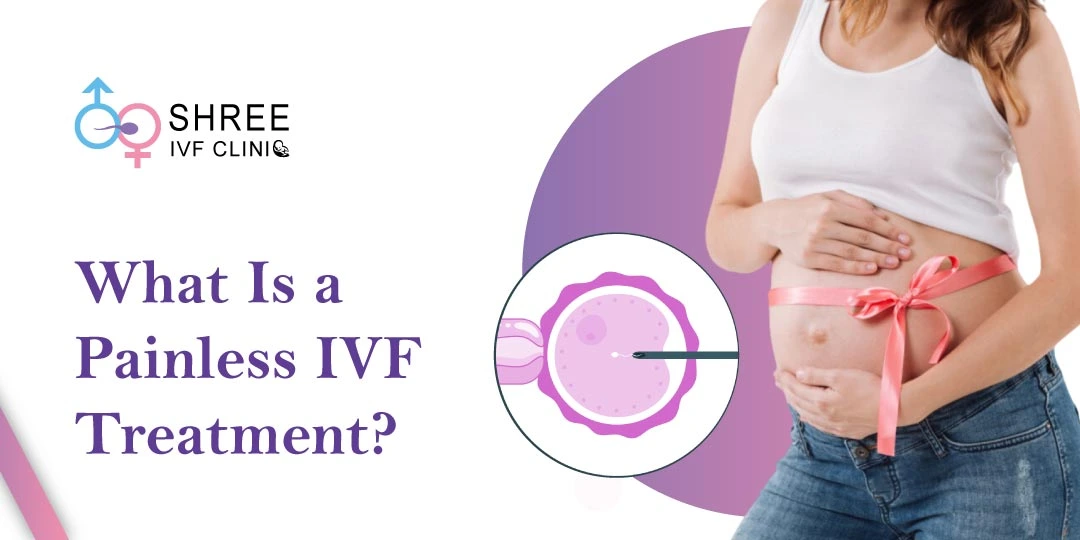
IVF is not painless, but most women tell us the anticipation was far worse than the treatment itself.
The majority describe the experience as uncomfortable rather than painful: brief stinging from injections, mild bloating during stimulation, and pressure during embryo transfer similar to a Pap smear.
Egg retrieval is performed under sedation, so you feel nothing during the procedure.
With modern painless IVF treatment protocols, personalised dosing, and patient-centered care at clinics like Shree IVF in Mumbai, most women complete IVF with manageable discomfort and return to normal life within 24–48 hours of each procedure.
Most women are surprised that IVF is far less painful than they expected. The fear is often greater than the procedure itself.
— Dr. Jay Mehta, Scientific Director, Shree IVF Clinic, Mumbai
AUTHOR

Medically reviewed by Dr Jay Mehta, MBBS, DNB
Scientific Director & Fertility Specialist—Shree IVF Clinic, Mumbai
Expert in Reproductive Immunology, Endometriosis, and Advanced IVF
15+ years experience | 12308+ IVF cycles | 16000+ Endometriosis Surgeries | 2721+ male fertility surgeries
TREATMENT
GET IN TOUCH ON
Key Takeaways
- IVF is usually uncomfortable rather than painful. Most women describe injections as a brief sting and embryo transfer as mild pressure similar to a Pap smear.
- Egg retrieval is performed under sedation. You feel nothing during the procedure itself.
- Modern IVF uses personalised protocols to reduce discomfort. Dosing is calibrated to your ovarian reserve, age, and response history, minimizing overstimulation and bloating.
- Needle-free IVF is not fully possible yet. Injection numbers can be reduced through modified protocols, but FSH stimulation injections remain necessary for standard IVF.
- Severe pain is not normal and requires medical attention. Mild cramping is expected; worsening or severe pain after retrieval or transfer is not. Contact your clinic immediately.
- Anxiety is often worse than the treatment itself. The most consistent feedback from women who complete IVF: the anticipation was harder than the reality.
What Is Painless IVF Treatment?

Painless IVF treatment is not a separate type of IVF; it is the same evidence-based protocol, delivered with active management of pain, anxiety, and physical discomfort at every stage.
The goal is not to eliminate all sensation (which is not clinically possible) but to ensure that no patient experiences unnecessary discomfort through poor technique, inadequate sedation, or a protocol that wasn't calibrated to their body.
A genuine comfort-focused IVF program includes
- Sedation or general anaesthesia for egg retrieval so you feel nothing during the procedure
- Ultra-fine needle, pen-injector delivery for daily hormone injections
- Personalised stimulation dosing based on your AMH, antral follicle count, and body profile, reducing over-stimulation and bloating
- Oral, patch, or vaginal alternatives to reduce injections in applicable cycle stages
- Psychological and counselling support integrated into the programme because anxiety amplifies physical pain
- Clear pre-procedure briefing so nothing feels unexpected
At Shree IVF Clinic in Mumbai, Dr. Jay Mehta's team treats patient comfort as a clinical priority because evidence from bodies including the European Society of Human Reproduction and Embryology (ESHRE) shows that psychological distress during IVF is associated with lower compliance, higher dropout, and poorer hormonal outcomes.
Why Couples Fear IVF and Why That Fear Delays Treatment?
Fear of pain is one of the most commonly cited reasons couples delay or avoid IVF, even when they have been trying to conceive for years and know that IVF is their best clinical option.
This fear is understandable, but it is almost always based on outdated information.
We hear the same concerns repeatedly in our first consultations:
- I've seen videos of IVF injections, and I can't imagine doing that to myself every day.
- I'm terrified of being put under for egg retrieval.
- A friend told me the procedure was awful, and she cried the entire cycle.
- I don't want to put my body through that much."
These fears are real. They deserve honest answers, not dismissal.
Where the fear comes from?
Much of the anxiety around IVF pain comes from three sources: outdated experiences shared by friends or online, horror stories amplified on social media, and the absence of direct, specific information from fertility clinics about what each step actually involves.
IVF ten years ago was less comfortable than IVF today. Protocols were less personalised, sedation was not always routine, and needle technology was less refined. Many accounts circulating online reflect older experiences, not how IVF treatment works at a modern fertility clinic today.
Why does delay matter?
Every month of avoidable delay has a measurable clinical cost. Ovarian reserve declines with age, and for women over 35, a six-month delay driven by fear rather than clinical necessity can meaningfully reduce IVF success rates, according to guidance from the American Society for Reproductive Medicine (ASRM).
Most women who complete an IVF cycle say they wish they had started sooner. Not because it was easy, but because the anticipation was worse than the reality.
If fear of discomfort is what is keeping you from taking the next step, that fear deserves a direct conversation with a specialist. Not avoidance.
Which IVF Procedures Cause Discomfort?
Four stages of IVF treatment involve some physical discomfort. None are typically described as severely painful, and all are manageable with appropriate preparation.
Ovarian stimulation injections
Self-administered daily injections into the abdomen or thigh for 10–14 days, as part of controlled ovarian stimulation.
The needles are very fine (27–30 gauge), similar to insulin pens. Most patients describe a brief sting lasting 2–3 seconds. Psychological anticipation accounts for more distress than the physical sensation for most women.
Monitoring scans
Transvaginal ultrasound scans every 2–3 days during stimulation. Mildly uncomfortable, similar to a routine gynaecological examination. Not painful for the majority of patients.
Egg retrieval
The most anticipated procedure. Performed under sedation or general anesthesia, you are unconscious or deeply relaxed and feel nothing during the retrieval itself.
Mild cramping and bloating for 24–48 hours afterwards is normal. Severe pain after retrieval is uncommon and should be reported promptly.
Embryo transfer
Typically the least uncomfortable stage. A thin catheter is passed through the cervix into the uterus without anaesthesia.
Most women describe mild pressure similar to a smear test lasting 10–15 minutes. Patients with cervical stenosis may experience more discomfort, which your doctor will discuss and prepare for in advance.
IVF Pain Levels: What to Expect During Each Step
Based on commonly reported patient experiences. Individual responses vary based on pain threshold, anxiety, and clinical factors.
| IVF Procedure | Typical Discomfort (0–10) | Duration | Sedation Used? |
|---|---|---|---|
| Stimulation injections (daily) | 1–3 — brief sting | 2–3 seconds | No |
| Transvaginal monitoring scans | 1–2 — mild pressure | 5–10 minutes | No |
| Blood draws for hormone monitoring | 1–2 | Seconds | No |
| Egg retrieval (during procedure) | 0 — under sedation | 20–30 minutes | Yes — sedation or GA |
| Post-retrieval cramping / bloating | 2–4 — period-like | 24–48 hours | Pain relief prescribed |
| Embryo transfer | 1–3 — mild pressure | 10–15 minutes | Usually not required |
| Progesterone support injections (IM) | 2–4 — deeper ache | Brief; soreness 1–2 days | No |
| Ovarian hyperstimulation (if it occurs) | 4–7 — bloating, fullness | Several days; monitored closely | Managed medically |
The key point:
The only stage where significant pain is likely is if ovarian hyperstimulation syndrome (OHSS) develops, and modern personalised protocols are specifically designed to reduce this risk.
We Are Always There For You.
Call Us 24/7 For Any Help
How Modern IVF Makes Treatment More Comfortable
IVF has changed significantly in the past decade.
Advances in medication delivery, anaesthesia, and monitoring technology have made the experience considerably more comfortable than IVF even five years ago.
Personalised stimulation protocols
Rather than applying a standard stimulation dose to every patient, modern IVF centres calibrate medication type, dosage, and duration to each individual's ovarian reserve (AMH), antral follicle count, age, and response history.
This reduces the risk of overstimulation, the most common source of significant discomfort.
Fine-gauge pen-injector systems
Modern FSH and LH medications come in preloaded pen injectors with ultra-fine needles similar to the devices used by people managing diabetes.
Patients often say they cannot feel them at all after the first few days.
GnRH agonist trigger shots
The trigger shot (which matures eggs before retrieval) was historically an intramuscular injection.
GnRH agonist triggers, now widely available, are subcutaneous, significantly more comfortable, and associated with a much lower OHSS risk in freeze-all cycles.
Routine sedation for egg retrieval
The shift to routine conscious sedation or general anaesthesia for egg retrieval is one of the most significant comfort improvements in modern IVF.
No patient at Shree IVF Clinic in Mumbai undergoes egg retrieval without appropriate anesthesia. You will not feel the procedure.
Freeze-all and single blastocyst transfer
Freezing all embryos and transferring them in a separate FET (frozen embryo transfer) cycle now supported by ASRM and ESHRE clinical committees reduces the physical burden of IVF considerably.
The uterine lining develops naturally or with milder hormonal support, without the physical stress of a fresh stimulation cycle.
ICSI — no additional discomfort for the patient
ICSI (intracytoplasmic sperm injection) is performed in the embryology laboratory after egg retrieval.
If your protocol includes ICSI, recommended for male factor infertility or in specific clinical situations, it involves no additional procedure for the female partner. Your eggs are collected once, and the ICSI process occurs entirely in the lab.
Psychological support as standard
Anxiety amplifies pain perception; this is well-established in the pain science literature.
Clinics that integrate counselling and clear communication into their IVF programme report lower patient-rated pain scores and lower dropout rates across the board.
Needle-Free IVF: Myth vs Reality
Completely needle-free IVF is not currently possible for most patients. However, the number of injections required has been significantly reduced through oral and nasal alternatives, and ongoing research continues to narrow the gap.
This question generates more confusion and misinformation online than almost any other IVF topic.
| Protocol | Injections Required? | Suitable For |
|---|---|---|
| Conventional IVF | Yes—daily subcutaneous injections for 10–14 days | Most patients |
| Mild / Minimal Stimulation IVF | Reduced — fewer days with lower medication doses | Good responders and selected cases: discuss suitability with a specialist |
| Natural Cycle IVF | Minimal to none | Selected patients may have lower success rates per cycle |
| FET Cycle (Frozen Embryo Transfer) | Reduced — oestrogen may be given through patches or oral medication | Patients undergoing frozen embryo transfer after a previous stimulation cycle |
| Nasal Spray GnRH Agonist | Replaces one category of injection | Used for down-regulation in specific IVF protocols |
| Vaginal Progesterone (Pessary / Gel) | Replaces intramuscular progesterone injections | Commonly used in FET cycles and avoids intramuscular injections completely |
What is currently not possible?
FSH and LH, the hormones that stimulate egg development, are not yet available in effective oral form for standard IVF.
Injectable gonadotrophins remain necessary for conventional stimulation in the current evidence base.
Researchers are actively working on oral FSH formulations, but none are clinically available at present.
What does this mean in practice?
If needles are your primary concern, discuss this explicitly with your IVF specialist in Mumbai before your cycle begins.
Protocol modifications can often significantly reduce even if they cannot fully eliminate the injection burden for your specific case.
How to Prepare for a Comfortable IVF Journey?
Preparation reduces both physical discomfort and psychological distress during IVF.
The women who report the most manageable IVF experiences share one thing in common: they knew what to expect before it happened.
Before your cycle starts
Learn the injection technique properly.
Ask your clinic for a nurse-led injection demonstration before your first day of stimulation.
Watch it once, practice once with the nurse present, then do it yourself under supervision.
Most patients say the first self-injection is the hardest — and the second is significantly easier.
Set up a dedicated injection station at home.
A clean, well-lit space with everything you need (medication, alcohol swabs, sharps disposal) prepared in advance removes the friction that amplifies anxiety. Routine makes it manageable.
Rotate injection sites.
Alternating between the left and right side of the abdomen, using a slightly different spot each day, prevents localized bruising and soreness.
Use ice or a cold pack before injecting if you're anxious.
Briefly numbing the skin reduces the initial sting. Some patients also prefer to take the medication out of the fridge 10–15 minutes before injecting to bring it to room temperature; this makes the injection more comfortable.
Prepare your support network.
Whether it is your partner, a close friend, or a family member, tell someone what you are going through. Isolation amplifies the difficulty of IVF.
Knowing someone can accompany you to appointments or simply check in reduces the emotional load significantly.
Consider counselling before you start.
You do not need to be in crisis to benefit from speaking with a fertility counsellor.
One or two sessions before your cycle begins to discuss your fears, set expectations, and develop coping strategies can change your entire experience of treatment.
During stimulation
Track your symptoms in a simple notes app.
Bloating, mood changes, and injection site soreness. : Logging these briefly each day helps you see that they are predictable and time-limited.
It also gives your clinical team useful information if you need to report a concern.
Stay lightly active.
Gentle walking and light movement help with bloating and mood. High-impact exercise, core workouts, and twisting movements should be avoided during stimulation due to the risk of ovarian torsion.
Contact your clinic if something feels wrong.
There is no such thing as a question that isn't worth asking. During stimulation, you should have a direct number or WhatsApp contact for your clinical team. Use it.
Recovery After Egg Retrieval: What's Normal?
Most patients are surprised by how quickly they recover after egg retrieval.
Knowing what to expect in the hours and days after the procedure removes a significant source of anxiety.
Immediately after retrieval (Day 0)
You will wake up in recovery feeling groggy from sedation. Mild to moderate cramping similar to the first day of a period is normal and expected.
You will have a nurse with you. Most patients spend 1–2 hours in recovery before going home.
You cannot drive. Arrange transport in advance and have someone with you for the rest of the day.
Day 1 after retrieval
Cramping typically continues and may feel slightly stronger as the anaesthesia wears off fully.
Bloating and a feeling of fullness or pressure in the lower abdomen are normal; your ovaries have been working hard and are temporarily enlarged. Light activity is fine; rest is better.
Paracetamol (acetaminophen) is safe for pain relief.
Avoid ibuprofen and NSAIDs after egg retrieval unless specifically advised by your doctor, as these may affect the hormonal environment needed for implantation.
Days 2–5 after retrieval
For most patients, symptoms resolve progressively. Bloating continues to decrease. By day 3–4, the majority of women feel close to normal.
If you had a freeze-all cycle, there is no embryo transfer during this period; your body gets a full recovery before the frozen embryo transfer (FET) cycle begins.
Many patients find this significantly more comfortable than a fresh transfer.
When Is IVF Pain NOT Normal?
Mild discomfort during IVF is expected. Pain that is severe, worsening, or accompanied by other symptoms is not and should never be dismissed as "just part of the process."
Knowing the difference between expected discomfort and a warning sign is one of the most important things you can understand before starting IVF.
IVF Symptoms: What's Normal and When to Contact Your Doctor
| What You're Feeling | Is It Normal? | What You Should Do |
|---|---|---|
| Mild to moderate cramping (first 24–48 hours) | Yes | Rest, use a heating pad if advised, and take paracetamol as recommended by your doctor. |
| Bloating or a feeling of fullness | Yes | Stay hydrated, rest, do light activity, and monitor your symptoms. |
| Light spotting | Yes | Usually normal. Monitor it and mention it at your next appointment. |
| Shoulder tip pain | No | Contact your fertility clinic immediately. |
| Severe or worsening abdominal pain | No | Contact your fertility clinic immediately. |
| Nausea or vomiting | Mild may be normal; severe or persistent is not | Contact your fertility clinic if symptoms are severe or persistent. |
| Significantly reduced urination | No | Contact your fertility clinic immediately. |
| Rapid weight gain (more than 2 kg in 24 hours) | No | Contact your fertility clinic immediately. |
| Difficulty breathing or chest pain | No | Seek emergency medical care immediately. |
| High fever (above 38°C) | No | Seek emergency medical care immediately. |
| Heavy vaginal bleeding | No | Seek emergency medical care immediately. |
Some of these symptoms may indicate ovarian hyperstimulation syndrome (OHSS), infection, or, rarely, internal bleeding after egg retrieval.
Most IVF patients recover without complications, but prompt medical assessment is important if warning signs develop.
If you are ever unsure whether a symptom is normal, contact your fertility clinic.
It is always safer to ask than to ignore symptoms.
Patients with a history of OHSS or who have had failed or difficult IVF cycles in the past should discuss personalised stimulation protocols with their fertility specialist before starting treatment.
Read Reviews

5,660+
Google Reviews
Visit Our Channel

421K+
subscribers
Explore more below

245K
followers
Benefits of a Comfortable IVF Experience
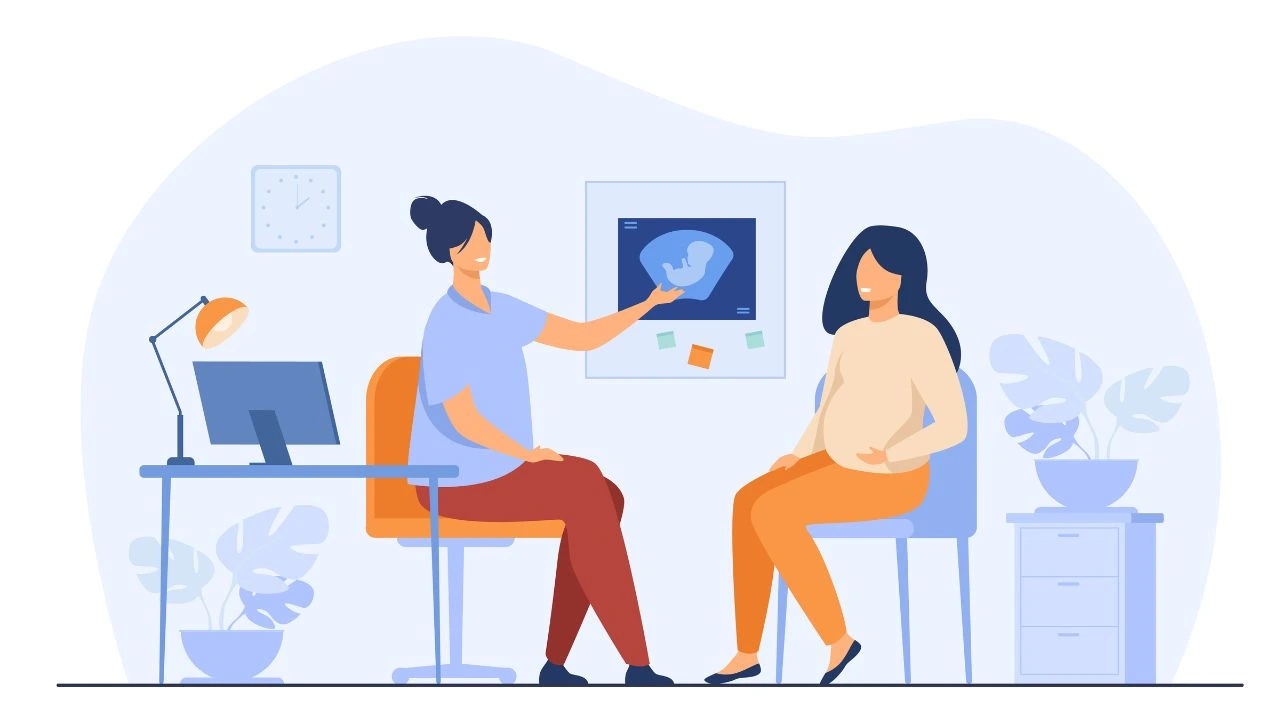
A more comfortable IVF experience is not just better for your well-being; there is clinical evidence that reduced stress and anxiety during fertility treatment improve treatment adherence, compliance, and outcomes.
- Better medication compliance. Patients who are less anxious about injections are more consistent with their schedule, a critical factor in stimulation outcomes.
- Reduced cortisol levels. Chronic stress during IVF elevates cortisol, which can interfere with the hormonal environment required for implantation.
- Lower dropout rates. Physical and emotional exhaustion is the most cited reason couples discontinue IVF mid-cycle or between cycles. Comfort-focused protocols reduce this.
- Better relationship outcomes. Couples managing a well-supported IVF experience report less conflict, less guilt, and greater mutual resilience, all of which matter for the cycles that follow.
- Willingness to try again. Even in cycles that don't result in pregnancy, a well-managed experience preserves the emotional capacity to continue.
If you are starting a subsequent attempt after an unsuccessful IVF cycle, the physical and emotional comfort of the previous cycle directly affects how quickly and confidently you can move forward.
Who Can Benefit from a Comfort-Focused IVF Approach?
Almost everyone undergoing IVF benefits from a patient-centered, comfort-focused approach, but it is particularly important for specific groups.
Patients with needle phobia or procedural anxiety. Frank's pre-cycle discussion, nurse-assisted first injections, and clear explanations of each step make a measurable difference.
Anxiety about needles does not disqualify you from IVF; it just needs to be addressed, not ignored.
Patients who had a difficult previous cycle. If a previous IVF cycle at any clinic was physically or emotionally distressing, raise this explicitly at your first consultation.
Protocol modifications, sedation options, and pre-cycle counselling can be planned in advance.
Patients with endometriosis. Endometriosis causes heightened pelvic sensitivity. Specialist management, including careful scan technique, appropriate pain relief, and surgical preparation if needed, changes the experience significantly.
Patients with a history of trauma or chronic pelvic pain. A trauma-informed approach, before explanation, full consent, the option to pause at any point, and sensitivity during examinations should be standard, not exceptional.
Patients doing repeated cycles. Physical and emotional fatigue compounds across cycles. Comfort-focused protocols are especially important if you are starting your second, third, or subsequent attempt particularly those managing recurrent implantation failure, where multiple embryo transfers are part of the clinical journey.
Patients with low AMH or diminished ovarian reserve. For women with low AMH preparing for IVF, a carefully personalised, lower-dose stimulation protocol reduces discomfort while still aiming for the best possible egg yield. Overstimulation risk is lower, and so is physical burden.
Couples where male factor infertility is involved. If male infertility is part of your diagnosis, ICSI is typically recommended alongside IVF.
This involves no additional procedure for the female partner; all steps are identical from her perspective; only the laboratory technique differs.
Patients with recurrent pregnancy loss. Couples managing recurrent pregnancy loss often carry significant emotional weight into an IVF cycle. A comfort-focused approach with integrated counselling matters as much here as clinical protocol.
Patients transitioning from IUI to IVF. If you have completed IUI treatment cycles without success and are now considering IVF, the step up in procedures can feel daunting.
Understanding exactly what changes and what doesn't helps manage the transition confidently.
Does a Comfortable IVF Approach Affect Success Rates?
No. A comfort-focused IVF approach does not reduce IVF success rates.
Modern IVF protocols are designed to improve patient comfort while maintaining excellent clinical outcomes.
One of the most common concerns we hear is:
"If I choose a gentler IVF approach, will it lower my chances of success?"
The answer is no. Personalised stimulation, sedation during egg retrieval, frozen embryo transfer (when appropriate), and psychological support can reduce discomfort without compromising success rates.
Better comfort may also help patients complete their treatment plan and follow medications as recommended.
However, under-stimulation, poor medication compliance due to injection anxiety, delayed treatment, and discontinuing IVF cycles prematurely can reduce the chances of success.
Age, egg quality, sperm quality, embryo quality, and the underlying cause of infertility remain the most important factors influencing IVF outcomes.
How to Choose an IVF Specialist Who Prioritises Patient Comfort?
Choosing the right IVF specialist involves more than selecting a treatment option.
Couples should consider the specialist’s experience, personalised approach to care, communication style, and the support provided throughout their fertility journey.
At Shree IVF Clinic, patients receive personalised fertility care supported by advanced reproductive technologies and expert guidance.
Couples planning their fertility journey can explore IVF treatment in Mumbai with a focus on comfort, transparency, and individualised treatment planning.
The ideal fertility specialist is someone who prioritises not only treatment outcomes but also your physical comfort, emotional well-being, and overall experience throughout the IVF journey.
Look for these signs of a patient-centered clinic:
- Explains every step of the IVF process in simple, easy-to-understand language.
- Offers sedation for egg retrieval to ensure patient comfort.
- Personalises stimulation protocols based on your medical needs.
- Provides guidance and support for IVF injections.
- Offers counselling or emotional support during treatment.
- Has a clear contact system for questions or concerns between appointments.
- Gives realistic expectations about success rates and treatment outcomes.
Questions to ask before starting IVF:
- Will I receive sedation during egg retrieval?
- Can my treatment plan be adjusted if I experience discomfort?
- Who can I contact if I have concerns during my IVF cycle?
- What pain relief is available after the procedure?
- Is counselling or emotional support available?
Common Myths About Painless IVF Treatment
| Myth | Reality |
|---|---|
| IVF injections are extremely painful | Most patients describe only a brief sting lasting 2–3 seconds. Fine-gauge pen injectors and proper technique make daily injections manageable, and the anticipation is often worse than the experience. |
| Egg retrieval is done while you're awake | Egg retrieval is performed under sedation or general anaesthesia, so you do not feel the procedure. Mild period-like cramping afterwards is normal and temporary. |
| Painless IVF is a different type of IVF | No. It is the same evidence-based IVF treatment delivered with greater focus on sedation, personalised medication protocols, and patient comfort. |
| Asking for pain relief will reduce my chances | There is no evidence that appropriate pain management reduces IVF success rates. Better comfort may improve treatment compliance and reduce stress. |
| Needle-free IVF means zero injections | Completely injection-free IVF is not possible for most patients, but modified protocols may significantly reduce the number of injections required. |
| IVF pain is the same for everyone | No. The experience varies depending on pain threshold, anxiety, ovarian response, and the treatment protocol used. |
| Embryo transfer is very painful | For most patients, embryo transfer feels similar to a Pap smear, causing only mild pressure rather than significant pain. |
| Severe pain after egg retrieval is normal and expected | Mild cramping is expected, but severe, worsening, or persistent pain is not normal and requires prompt medical evaluation. |
FAQ's About IVF Pain
- Is painless IVF treatment really possible?
Modern IVF cannot eliminate every sensation, but it can make treatment significantly more comfortable through fine needles, gentle techniques, sedation for egg retrieval, and personalised treatment protocols.
- Which IVF procedure causes the most discomfort?
Most patients report that egg retrieval recovery and progesterone injections (if required) cause more discomfort than stimulation injections. Egg retrieval itself is performed under sedation.
- Are IVF injections as painful as they look?
No. IVF stimulation injections use very fine needles, and most patients describe only a brief sting lasting a few seconds. Many say the anticipation is worse than the injection itself.
- Can my partner give my IVF injections?
Yes. Many couples choose this option. Your fertility nurse can teach both of you the correct injection technique and site rotation.
- What can I do to make IVF injections less painful?
Using the correct technique, allowing medication to reach room temperature (when appropriate), rotating injection sites and relaxing the abdominal muscles can make injections more comfortable.
- Is egg retrieval painful?
No. Egg retrieval is performed under sedation or anaesthesia, so you should not feel pain during the procedure. Mild cramping or bloating afterwards is common.
- How long does discomfort last after egg retrieval?
Most women recover within 24–72 hours. Mild cramping, bloating, and light spotting are common. Severe pain, rapid weight gain, or breathing difficulty should be reported immediately.
- Does embryo transfer hurt?
Embryo transfer is usually painless or causes only mild pressure, similar to a cervical screening or Pap smear. Most patients resume normal activities shortly afterwards.
- Is emotional stress during IVF normal?
Yes. Anxiety, uncertainty, and the two-week wait can be emotionally challenging. Many fertility clinics recommend counselling or emotional support as part of IVF care.
- Can IVF be more comfortable if I had a difficult experience before?
Yes. Previous IVF experiences help your specialist personalise medication, sedation, pain management and communication to improve comfort during future cycles
- When should I contact my fertility clinic because of pain?
Contact your clinic immediately if you experience severe or worsening abdominal pain, heavy bleeding, fever, rapid weight gain, difficulty breathing, or significantly reduced urination, as these may indicate complications requiring prompt assessment.
- Will I be able to drive home after egg retrieval?
No. Because egg retrieval is performed under sedation, you should arrange for someone to drive you home and stay with you for the first few hours after the procedure.
Why Choose Shree IVF Clinic for Comfortable IVF Care?
At Shree IVF Clinic, Mumbai, patient comfort is an essential part of our IVF approach.
We understand that fear of pain and uncertainty can prevent many couples from starting treatment. Our focus is to make the IVF experience more comfortable through personalised care, clear communication, and evidence-based techniques.
Under the guidance of Dr. Jay Mehta, scientific director at Shree IVF Clinic, our team focuses not only on achieving successful outcomes but also on ensuring that patients feel supported and confident throughout their IVF journey.
Patients from Mumbai, across India, and internationally consult Dr. Jay Mehta for personalised fertility care and advanced IVF treatment options.
Your IVF journey should not only focus on the outcome; it should also focus on your comfort, confidence, and overall experience.
What Makes Our Comfortable IVF Approach Different?
Sedation during egg retrieval
Egg retrieval is performed under sedation to ensure that patients remain comfortable during the procedure. Most patients do not feel pain during retrieval and experience only mild cramping or bloating during recovery.
Personalised IVF treatment protocols
Every patient responds differently to IVF medications. Treatment plans are customised based on individual factors such as ovarian reserve, age, medical history, and previous treatment response to improve comfort and safety.
Injection guidance and support
Our nursing team guides injection techniques, helping patients understand how to administer medications correctly and reduce anxiety around daily injections.
Continuous patient support
From the first consultation through the IVF cycle, our team remains available to answer questions, address concerns, and provide emotional support during treatment.
Care focused on reducing complications
Careful monitoring and personalised stimulation protocols help minimize treatment-related complications and support a safer IVF experience.
"Our goal is not just a successful cycle ; it is a supported experience. The two are not in conflict. They reinforce each other."
— Dr. Jay Mehta, Scientific Director, Shree IVF Clinic, Mumbai
AUTHOR
Medically reviewed by Dr Jay Mehta, MBBS, DNB
Scientific Director & Fertility Specialist—Shree IVF Clinic, Mumbai
Expert in Reproductive Immunology, Endometriosis, and Advanced IVF
15+ years experience | 12308+ IVF cycles | 16000+ Endometriosis Surgeries | 2721+ male fertility surgeries